Positive Experimental Aircraft Accident Rate Provides Foundation for EAA Safety Programs
By EAA Staff
-
Rotorcraft and vertical lift technology will be the featured highlights at the new EAA Vertical Lift Center to be unveiled during EAA AirVenture Oshkosh 2026. This area will feature an emphasis on helicopters and VTOL aircraft as part of a partnership with the Robinson Helicopter Company and Vertical Aviation International (VAI), a membership organization dedicated to supporting the vertical lift industry. -
Rotorcraft and vertical lift technology will be the featured highlights at the new EAA Vertical Lift Center to be unveiled during EAA AirVenture Oshkosh 2026. This area will feature an emphasis on helicopters and VTOL aircraft as part of a partnership with the Robinson Helicopter Company and Vertical Aviation International (VAI), a membership organization dedicated to supporting the vertical lift industry.
After seeing another positive total in experimental-category accident totals for the 2025 federal fiscal year, EAA is using the good news as a foundation to build on safety programs and mindset in the new year.
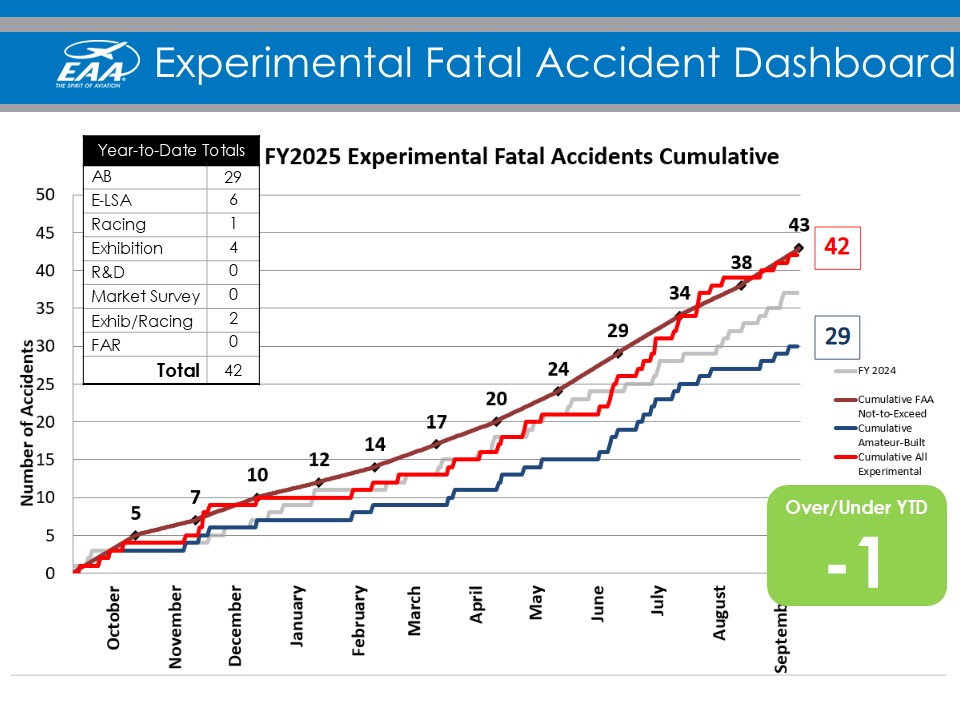
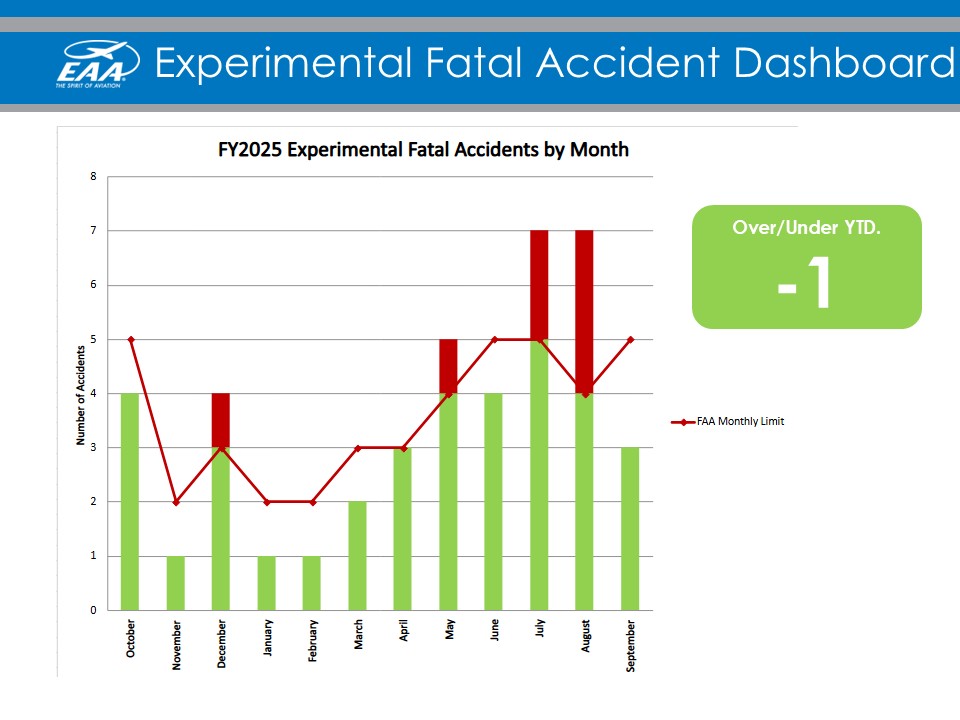
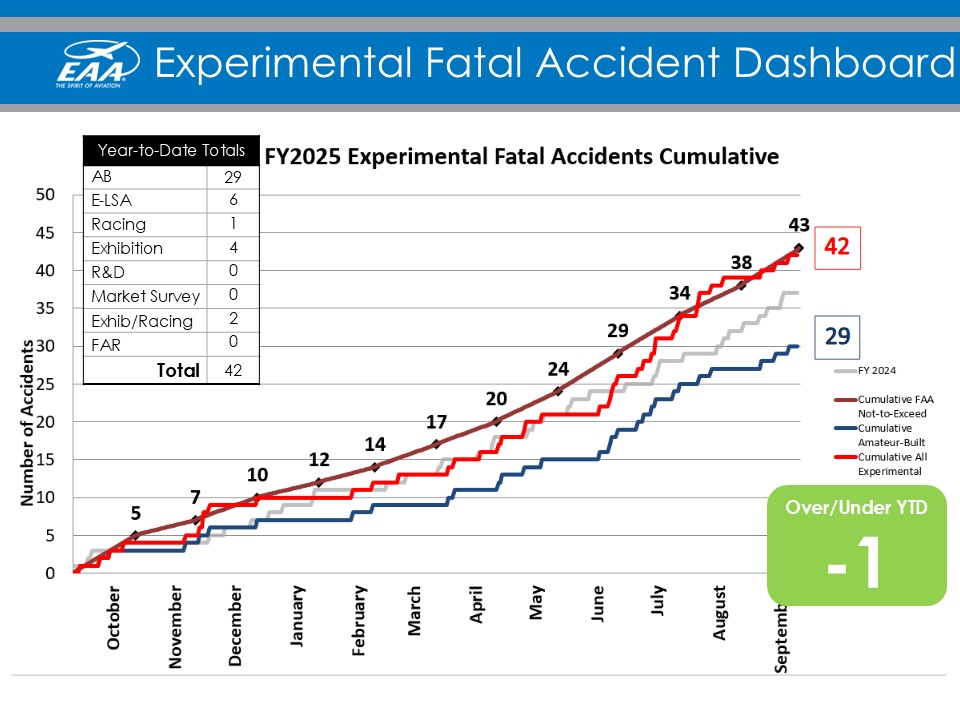
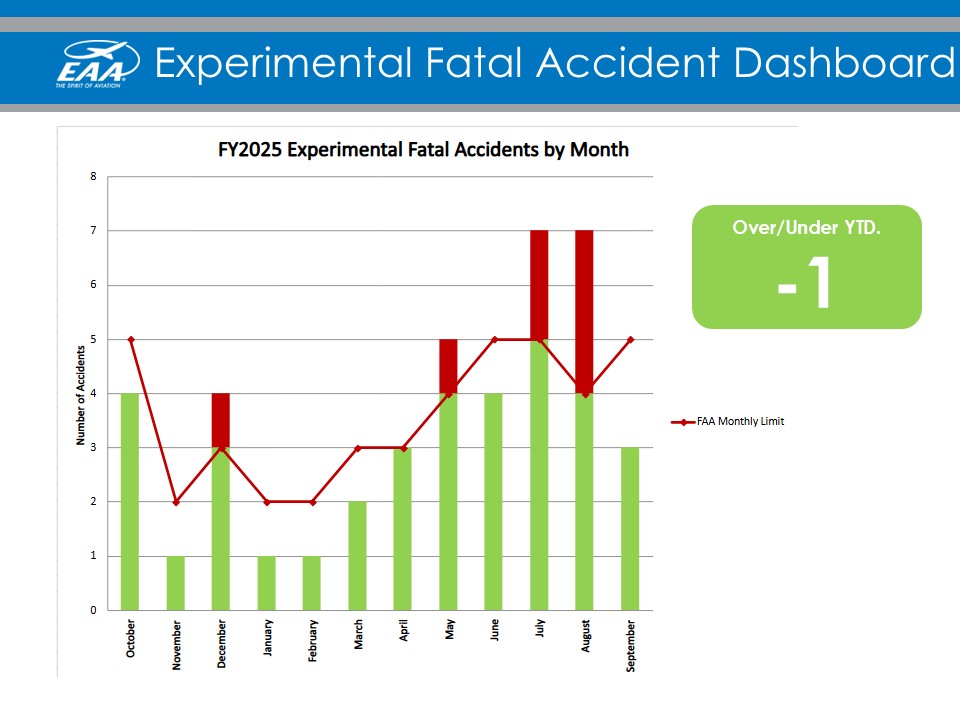
In the period from October 1, 2024, through September 30, 2025, fatal accidents in the experimental category totaled 42 — one under the “not-to-exceed” number set by the FAA prior to that period. The not-to-exceed number is based on a rolling average based on the previous three years’ data. The fiscal year 2024-25 data was delayed because of the government shutdown this past fall.
“The FAA has commended the aviation community for the continued downward trend in experimental-category fatal accidents, even as flight hours have increased,” said Sean Elliott, EAA’s vice president of advocacy and safety. “Enhancing safety in aviation, just as in any other recreational pursuit, is a never-ending effort but the latest numbers are an excellent foundation on which to build upon.”
Within the entire experimental aircraft category, the amateur-built segment remained steady with 29 fatal accidents during the most recent data period. This continues the trend that has seen fatal accidents in amateur-built aircraft decline by more than 25 percent over the past decade. It also coincides with the growth of EAA safety programs available for aircraft builders and amateur-built aircraft pilots, ranging from the relatively new subsequent-owner guidance for transition training to the traditional EAA Technical Counselor and Flight Advisor programs available throughout the country.
“What is most gratifying is the growth of the ‘safety mindset,’ which is using education rather than regulation to produce a safer aviation community,” Elliott said. “Aviators of experimental-category aircraft take their responsibility seriously as they continuously practice their skills and share information on the best practices in the cockpit each time they fly.”
Experimental aircraft accident totals also again compare favorably to many other recreational pursuits that carry risk factors, ranging from boating to ATVs/UTVs.
