EAA Pheasant Restoration Progressing Smoothly
By EAA Staff
-
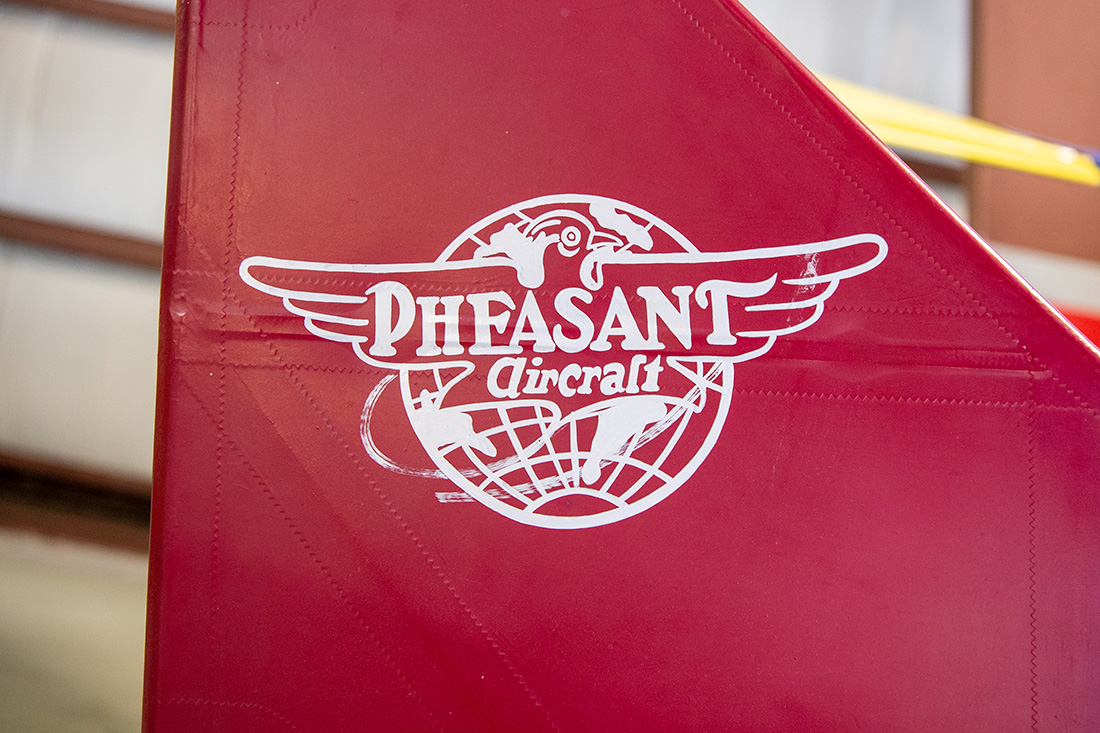
Damaged in a strong windstorm during EAA AirVenture Oshkosh 2022, EAA’s rare 1929 H-10 Pheasant biplane is in the midst of a significant static restoration. With the help of EAA chapters and a number of volunteers, the finish line is in sight. -
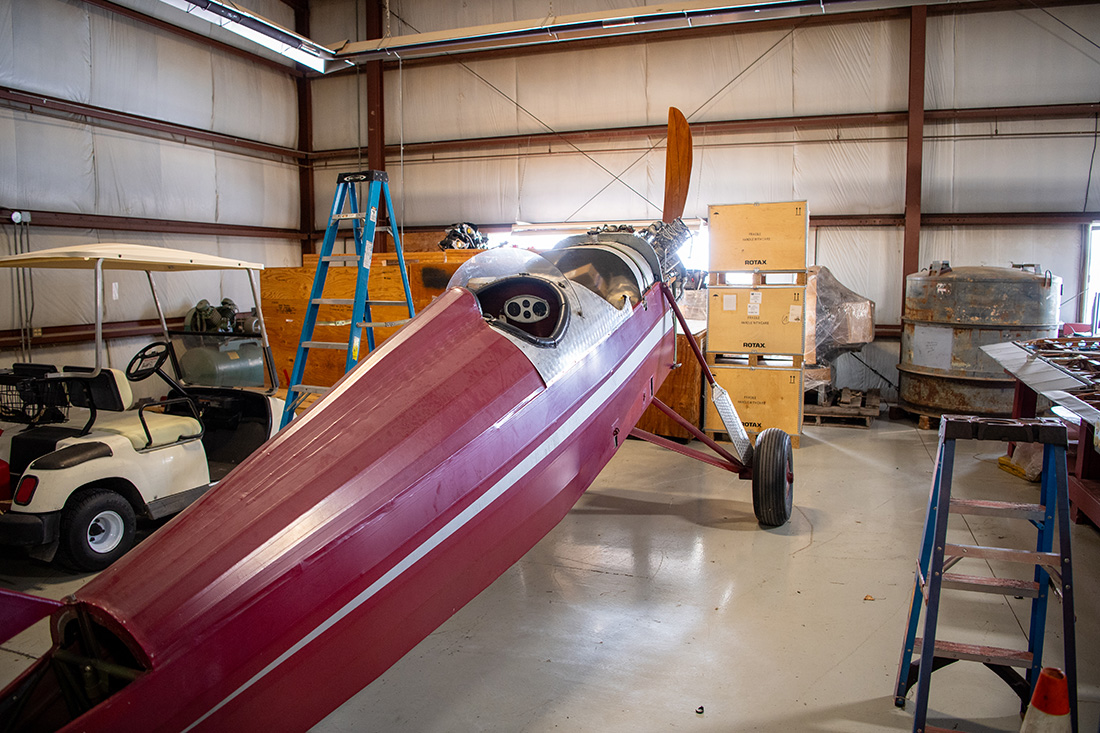
Damaged in a strong windstorm during EAA AirVenture Oshkosh 2022, EAA’s rare 1929 H-10 Pheasant biplane is in the midst of a significant static restoration. With the help of EAA chapters and a number of volunteers, the finish line is in sight. -
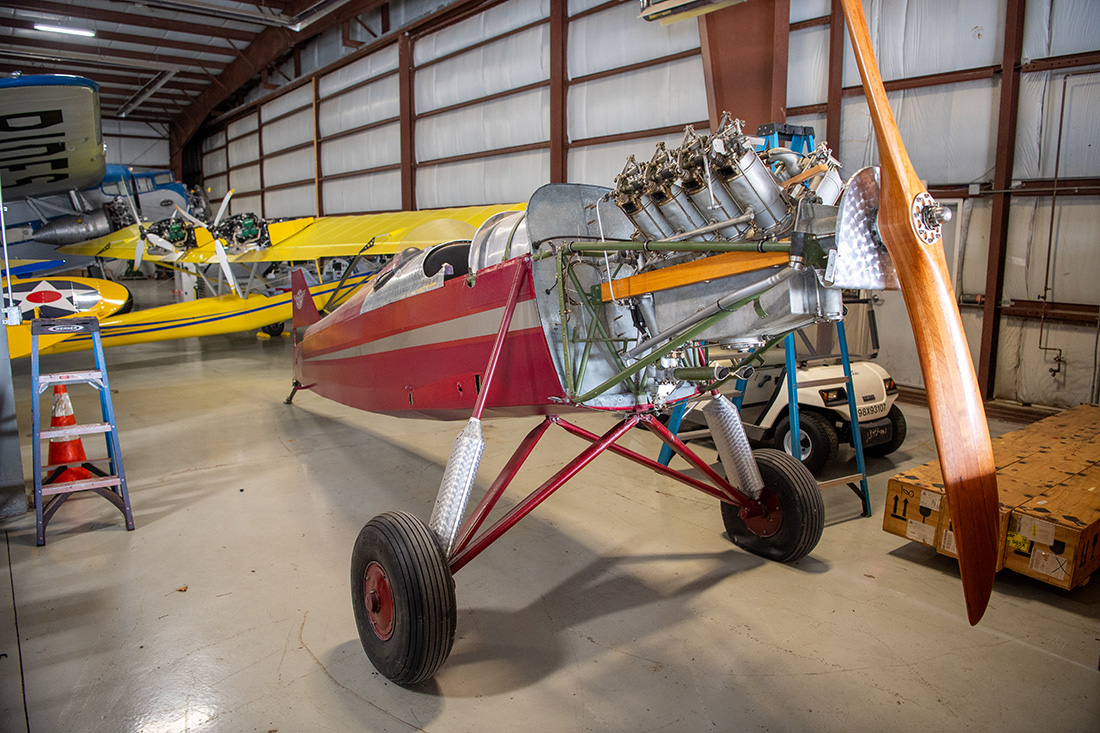
Damaged in a strong windstorm during EAA AirVenture Oshkosh 2022, EAA’s rare 1929 H-10 Pheasant biplane is in the midst of a significant static restoration. With the help of EAA chapters and a number of volunteers, the finish line is in sight. -
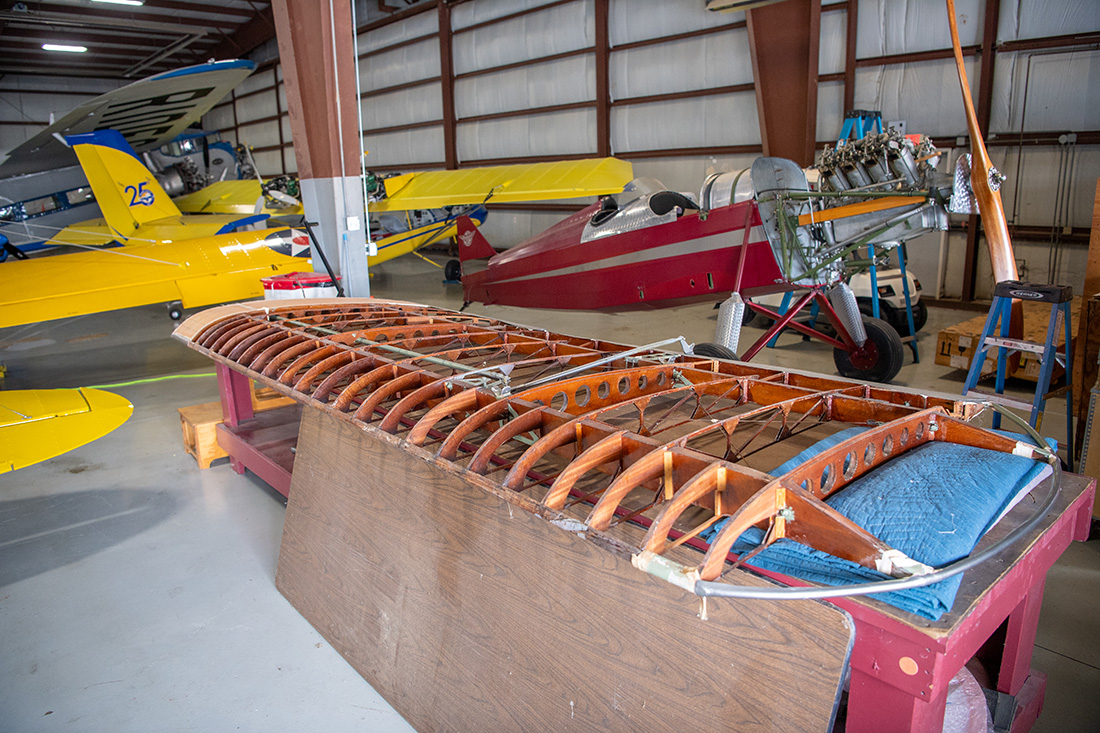
Damaged in a strong windstorm during EAA AirVenture Oshkosh 2022, EAA’s rare 1929 H-10 Pheasant biplane is in the midst of a significant static restoration. With the help of EAA chapters and a number of volunteers, the finish line is in sight. -
Damaged in a strong windstorm during EAA AirVenture Oshkosh 2022, EAA’s rare 1929 H-10 Pheasant biplane is in the midst of a significant static restoration. With the help of EAA chapters and a number of volunteers, the finish line is in sight. -
Damaged in a strong windstorm during EAA AirVenture Oshkosh 2022, EAA’s rare 1929 H-10 Pheasant biplane is in the midst of a significant static restoration. With the help of EAA chapters and a number of volunteers, the finish line is in sight. -
Damaged in a strong windstorm during EAA AirVenture Oshkosh 2022, EAA’s rare 1929 H-10 Pheasant biplane is in the midst of a significant static restoration. With the help of EAA chapters and a number of volunteers, the finish line is in sight.
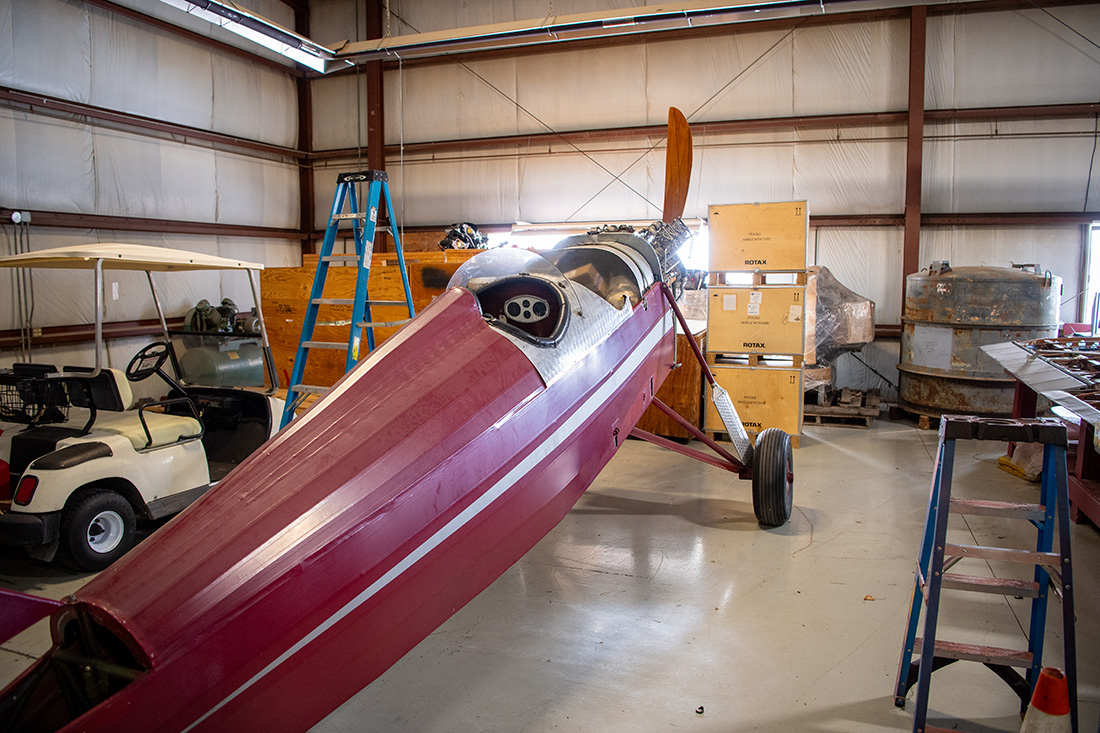
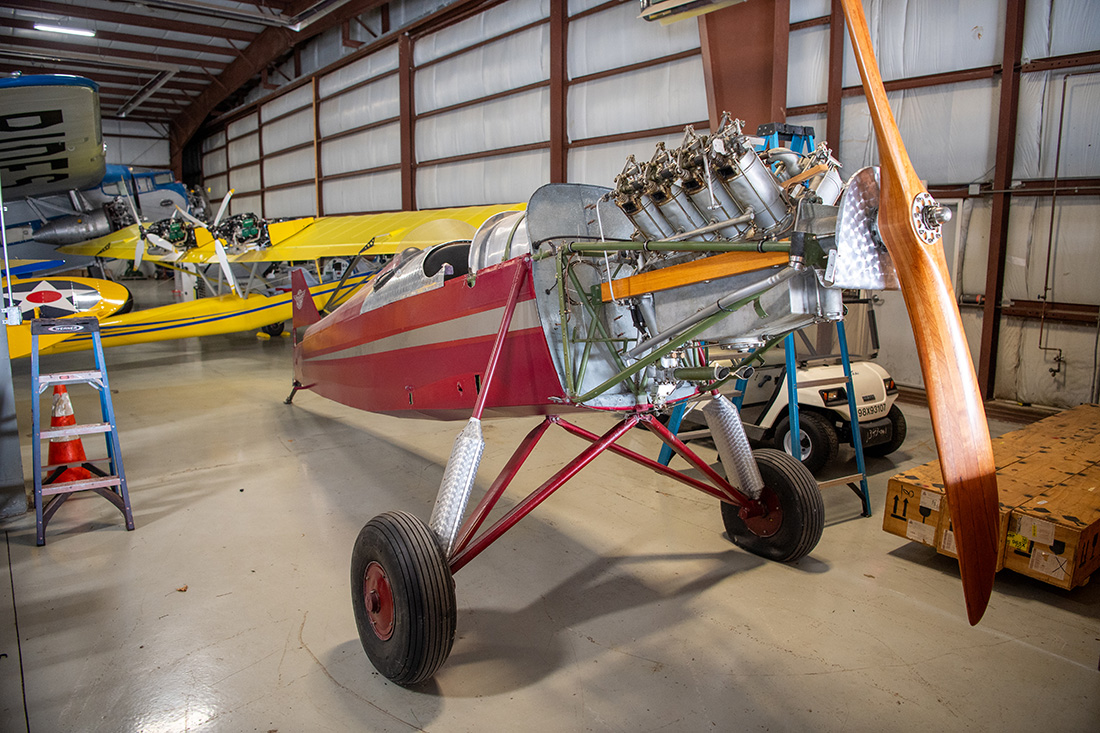
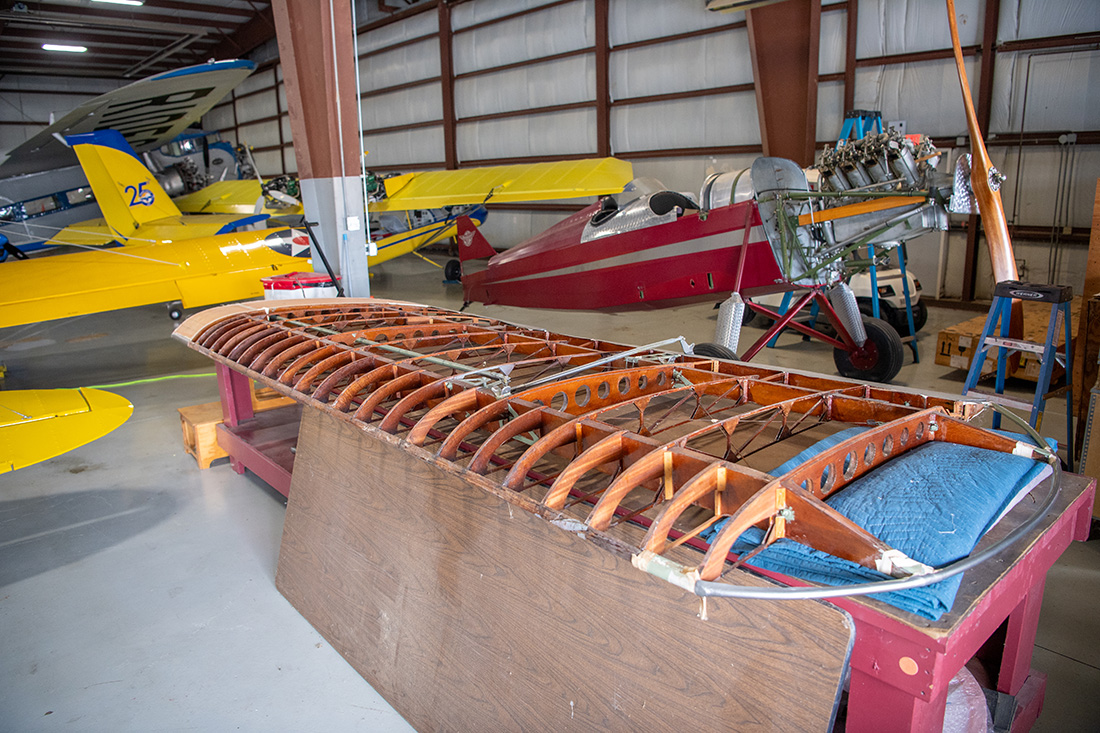
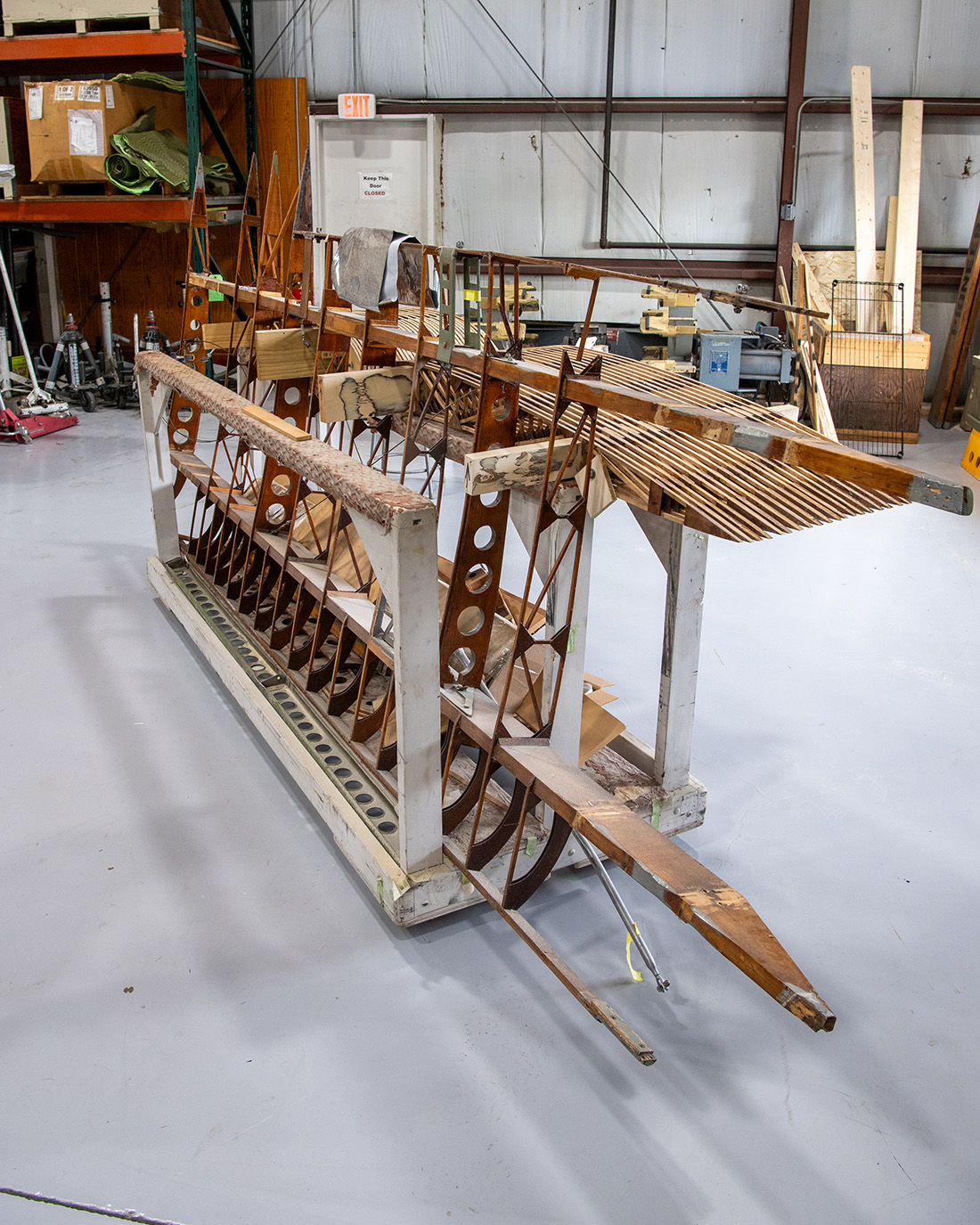
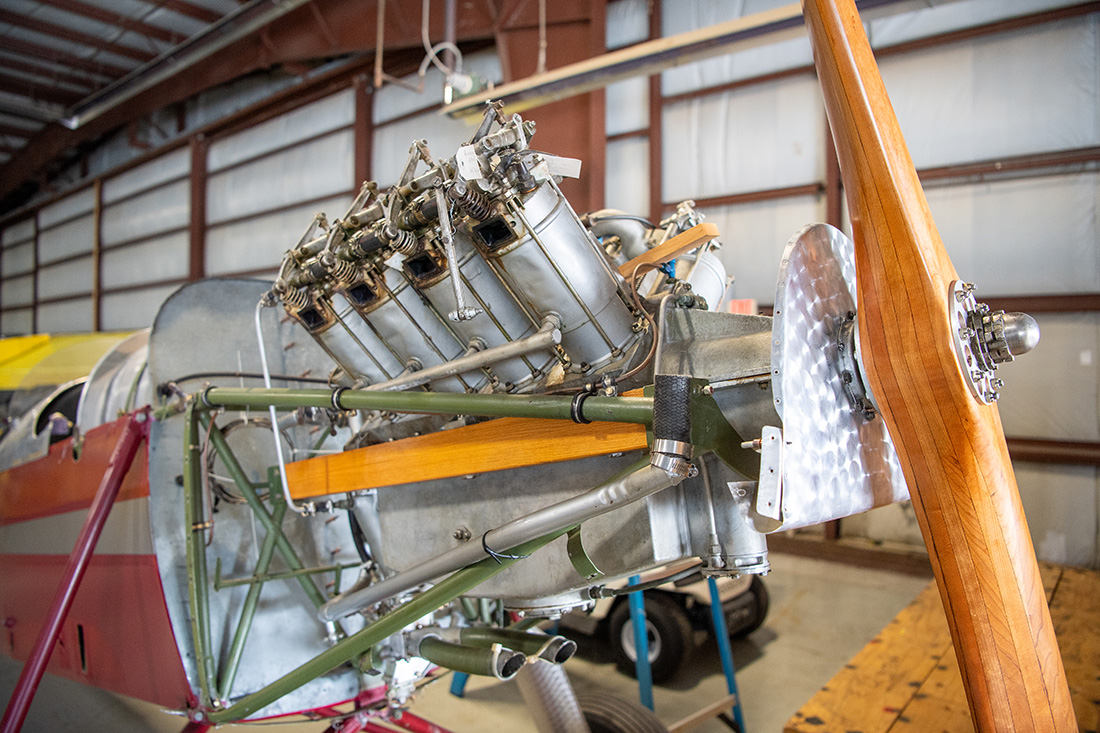
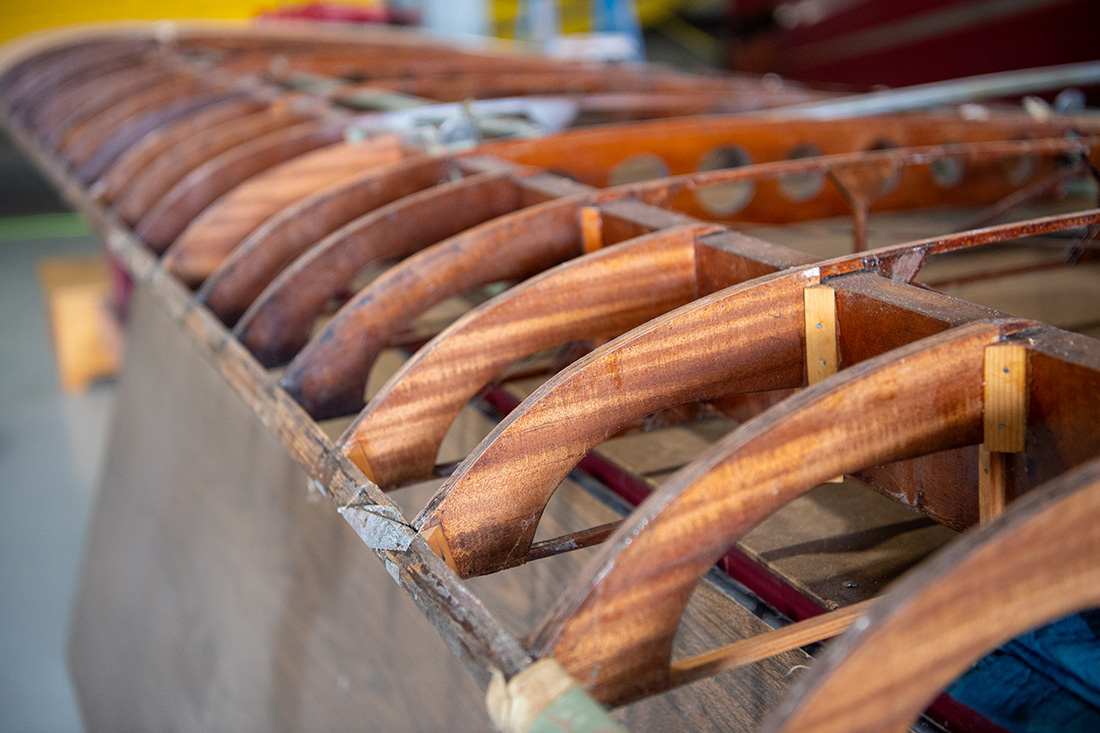
Damaged in a strong windstorm during EAA AirVenture Oshkosh 2022, EAA’s rare 1929 H-10 Pheasant biplane is in the midst of a significant static restoration. With the help of EAA chapters and a number of volunteers, the finish line is in sight.
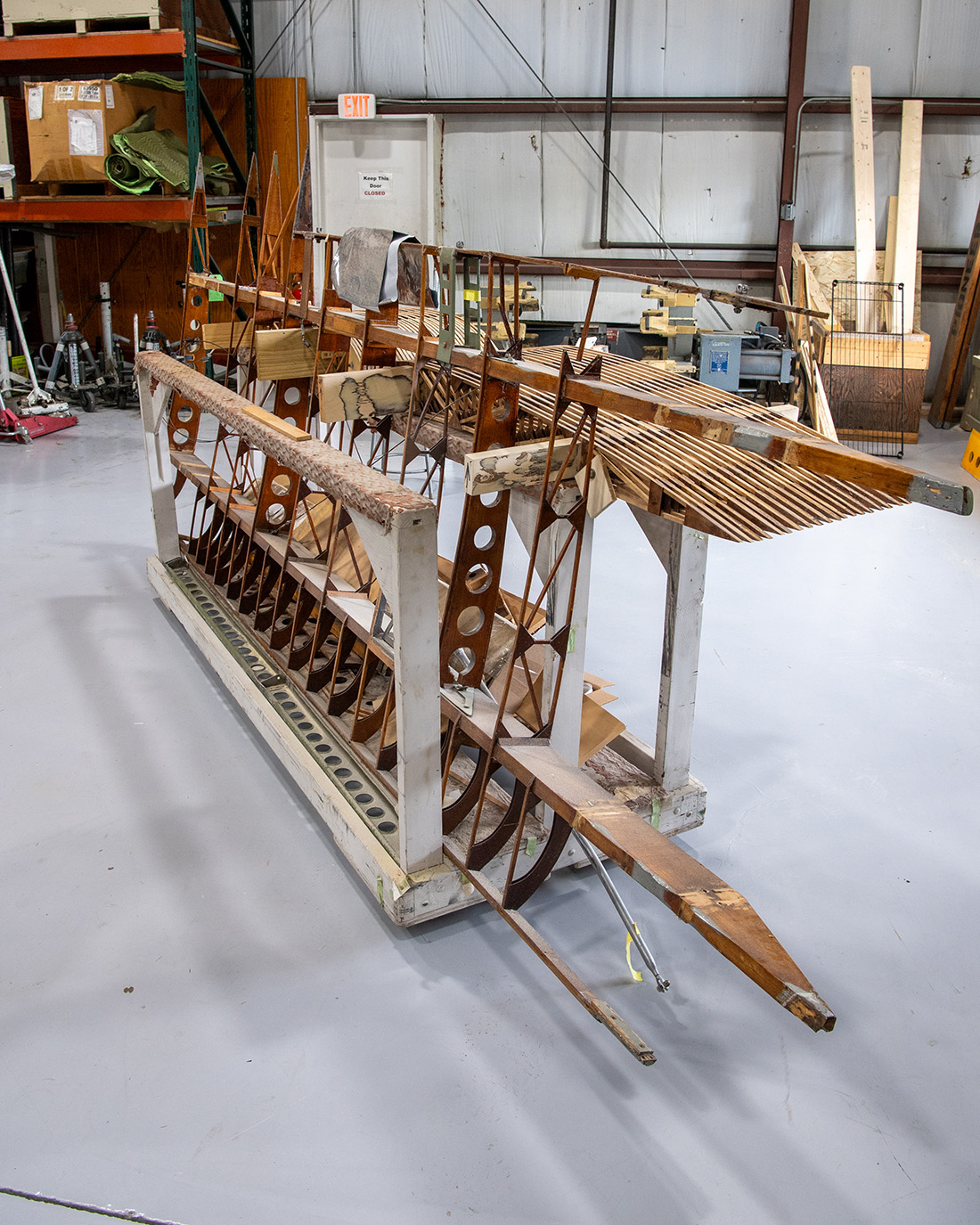
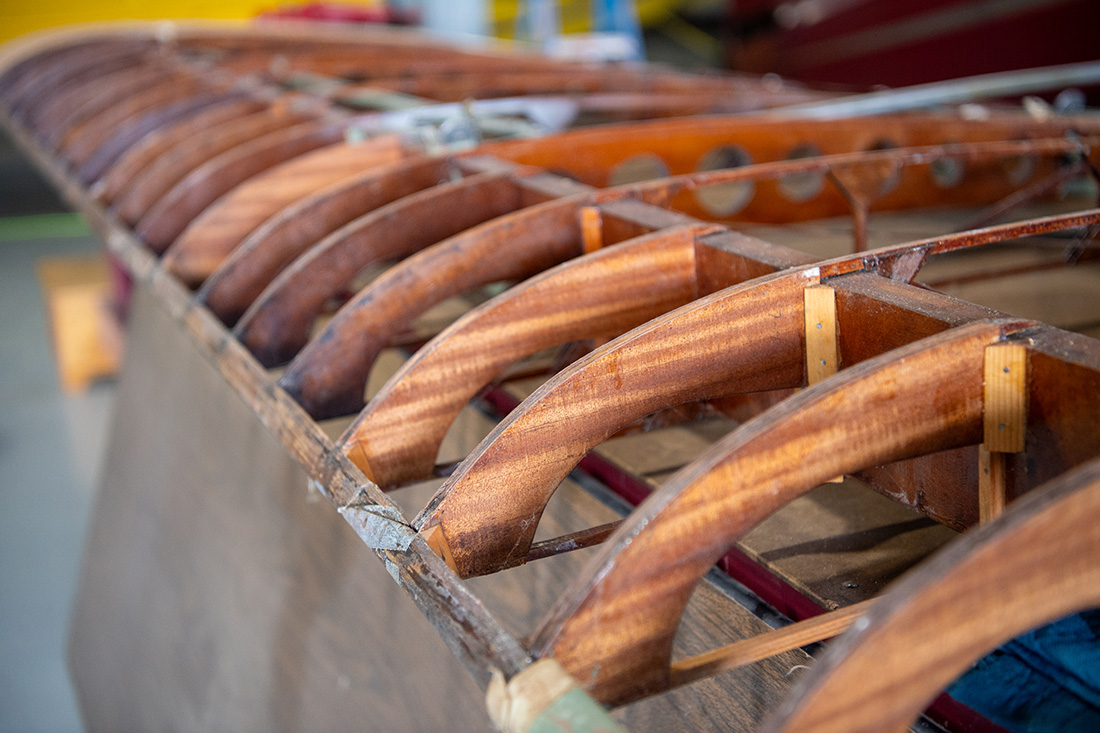
EAA Chapter 640 in Wausau, Wisconsin, fabricated 80 new wing ribs for all four wings, using Sitka spruce and plywood. Brass brad nails were sourced, and glue samples were made and saved for break testing for every batch of glue mixed. Two-part epoxy was approved via FAA field approval, as opposed to the original Resorcinol glue. Meanwhile, Sitka spar stock was purchased to fabricate new wing spars for all four wings.
Additionally, most of the wing and cabane struts needed to be replaced. Strut tubing was purchased and new strut attachment fittings were fabricated, with much of the work done by volunteers at EAA’s Weeks Hangar. The same volunteers at Weeks Hangar also repaired and covered the airplane’s tail feathers.
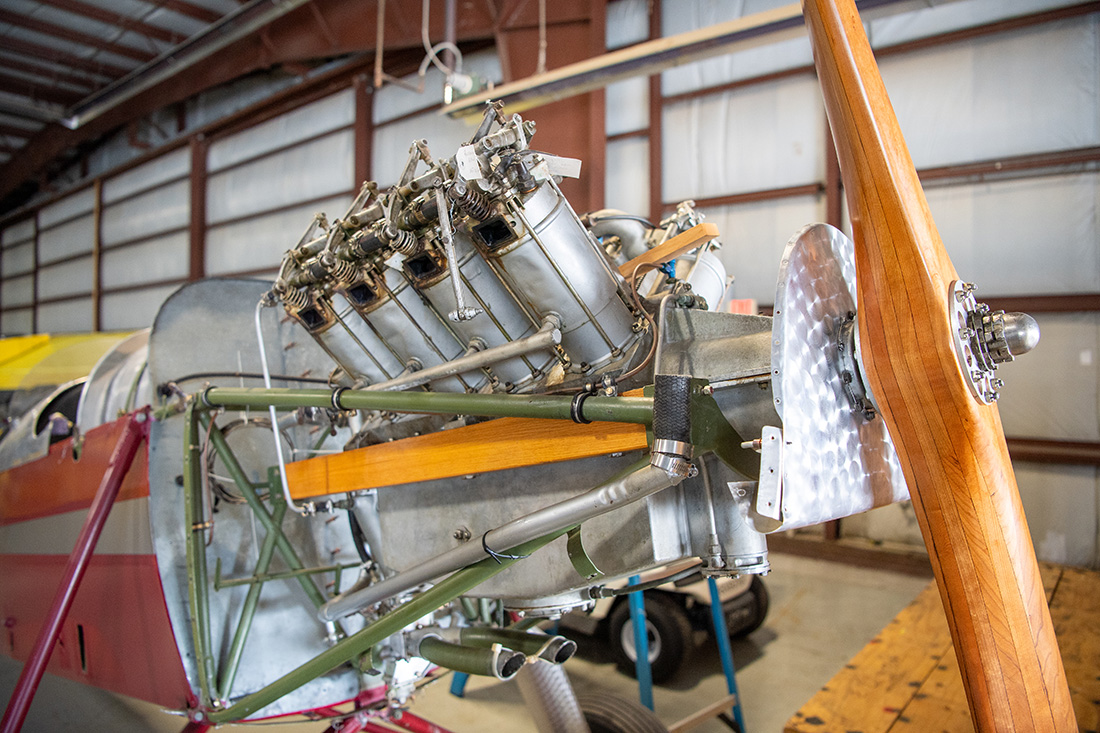
The engine cowls were sent with Weeks Hangar volunteers to Illinois for complete replacement, using the existing cowls for patterns. As for the engine itself, external parts that were damaged have been replaced with parts from EAA’s inventory. Meanwhile, EAA Chapter 675 in Marshalltown, Iowa, fabricated a prop duplicator and then built a new wooden propeller for the Pheasant.
Additional restoration work on the airplane will be performed this spring, with the plan for it to take place in the Wittman Hangar at EAA’s Pioneer Airport, where it can be viewed by EAA Aviation Museum guests.
