EAA Aviation Museum Introduces Six Aircraft for Display
By EAA Staff
-
The EAA Aviation Museum is introducing six aircraft to its exhibits, each of which has historical importance to aviation. The aircraft include Douglas World Cruiser and Epps Monoplane replicas, the Icarus II built by John Moody, a Curtiss P-40 Warhawk and a Grumman F4F Wildcat on loan from the Frasca Collection, and a PBY-5A Catalina, on loan from the American Heritage Museum and Collings Foundation.
The EAA Aviation Museum is introducing six aircraft to its exhibits, each of which has historical importance to aviation. The aircraft include Douglas World Cruiser and Epps Monoplane replicas, the Icarus II built by John Moody, a Curtiss P-40 Warhawk and a Grumman F4F Wildcat on loan from the Frasca Collection, and a PBY-5A Catalina, on loan from the American Heritage Museum and Collings Foundation.
“The opportunity to be able to feature these marvelous aircraft as a part of our displays adds new stories to our already expansive collection,” said Chris Henry, EAA Aviation Museum director. “It is a testament to how whether you are a homebuilder, a restorer, or amateur aviator who dreams of flight, you have a true community at EAA.”
Aircraft added to the displays in the past several weeks include:
- Douglas World Cruiser replica: The first homebuilt project by Robert Dempster, who spent 20 years to meticulously recreate one of the most legendary aircraft from the early years of flight. This full-scale replica of the 1924 Douglas World Cruiser honors the pioneers of aviation in America who succeeded in flying around the world in an airplane.
- Icarus II: Created by John Moody, who is considered the father of ultralight aviation. He first flew this aircraft from a frozen lake in Long Lake, Wisconsin, on March 15, 1975. It represents a significant piece of both aviation and Wisconsin history, as it sparked a movement of popularizing ultralight recreational flight. Rebuilt by the Michigan Ultralight Association for donation to EAA.
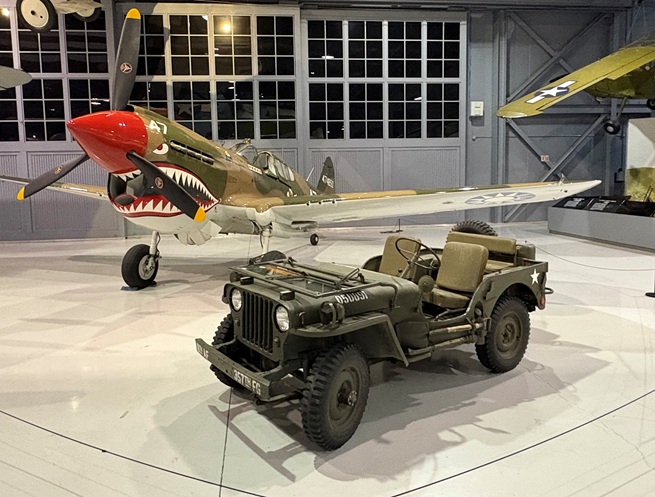
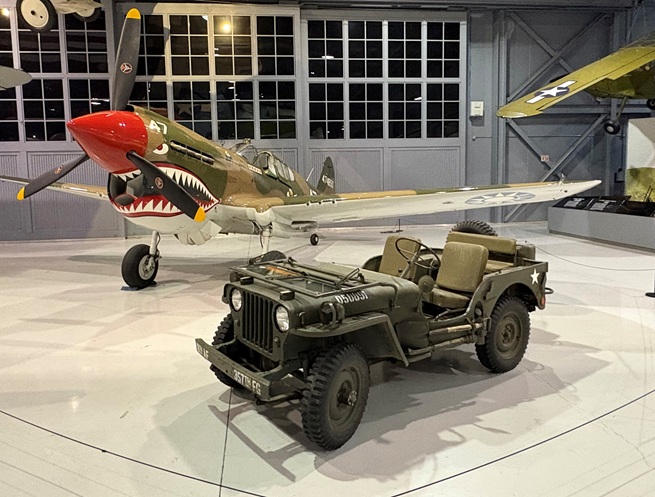
- Curtiss P-40 Warhawk: One of the most legendary aircraft of all time. Its contribution to the war effort during the first part of WWII was undeniable, enabling more than 200 Allied pilots to gain ace status, and achieving thousands of victories in dogfights on all fronts. Its “shark mouth” nose art is one of the most iconic images in all of aviation. On loan from the Frasca Collection.
- Grumman F4F Wildcat: Legendary for its aerial combat ability, boasting a seven-to-one win/loss ratio in the Pacific theater. What it lacked in speed and maneuverability, it more than made up for in superior build quality, armor, weaponry, and dive speed. This particular example is an FM-2 Wildcat, license-built by General Motors. On loan from the Frasca Collection.
- Consolidated PBY-5A Catalina: A hunter of German U-boats, with this particular aircraft and its crews responsible for three confirmed U-boat sinkings and severely damaging another. Another key role it filled was in search-and-rescue operations for pilots, as the amphibious Catalina could land on the water near any downed pilot. On loan from the Collings Foundation and American Heritage Museum.
- Epps Monoplane replica: This replica of the 1912 original recreates the work of Ben T. Epps, a self-taught mechanic who became Georgia’s first aviator, combining scrap timber, cotton covering, bicycle wheels, and a low-horsepower engine to construct an open-cockpit, wire-braced, mid-wing monoplane.
