Sport Pilot 2.0 and EAA Chapters
By Christopher Gauger, EAA 746128, EAA Chapter Field Representative I
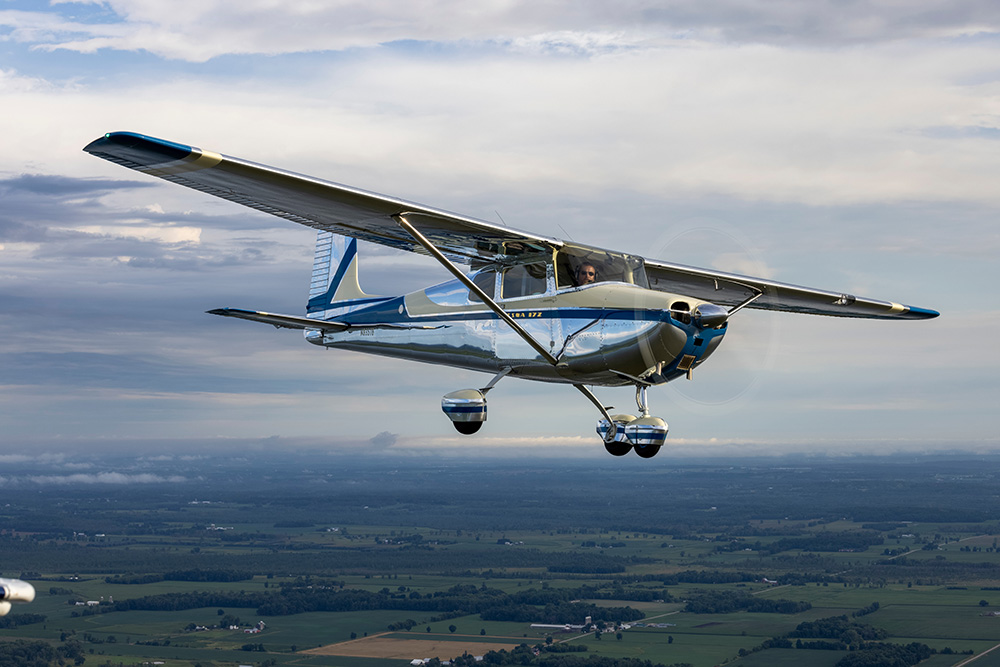
October 2025 – One of the most important initiatives promoted by EAA has come to fruition. Effective October 22, 2025, pilots who hold a sport pilot certificate or fly under sport pilot privileges in the United States will have access to a much wider range of aircraft they can fly. This reform to the U.S. Federal Aviation Regulations, known as the Modernization of Special Airworthiness Certification (MOSAIC), was in the works for more than a decade. The final rule was announced during EAA AirVenture Oshkosh 2025, and after years of advocacy by EAA and other aviation organizations, what we are calling Sport Pilot 2.0 is now in effect.
Top 5 Things to Know About Sport Pilot 2.0
- 70 percent of the single-engine piston aircraft fleet in the United States is now eligible to be flown by sport pilots.
- A maximum clean stall speed of 59 knots (67 mph) will be permitted for sport pilot-eligible aircraft.
- Aircraft with up to 4 seats can be flown by sport pilots (increased from 2 seats).
- Sport pilots can fly with up to 2 occupants in the aircraft (pilot plus one passenger).
- There is no longer a maximum weight limitation for sport pilot-eligible aircraft.
MOSAIC also revises the light-sport aircraft category, allowing newer and more capable models of light-sport aircraft to be developed and sold on the market starting on July 24, 2026. It also expands the scope of aircraft available for the Light Sport Repairman Inspection (LSRI) rating, allowing more nonbuilder owners of amateur-built aircraft to perform their own annual condition inspections and other maintenance on their aircraft.
What Sport Pilot 2.0 Means for EAA Chapters
You may be wondering what effects Sport Pilot 2.0 will have on your EAA chapter and its members. The biggest impact is that it will directly support EAA’s mission to grow participation in aviation. With a sport pilot certificate, we hope to see new aviators learn to fly in half the time and at half the cost, compared to those pursuing a private pilot certificate. Members of your chapter who just want to fly for fun now have more opportunities to do so, saving time and money to obtain their pilot certificate and relying on their driver’s license in place of an FAA-issued medical certificate or BasicMed. More people will be able to enjoy The Spirit of Aviation.
Other positive impacts include:
- More Aircraft to Fly: Sport Pilots will have a much broader selection of aircraft to use for training and to own or rent. For example, common single-engine piston airplanes such as Cessna 172s and most Piper PA-28s are now available for Sport Pilots, whereas they were off-limits prior to MOSAIC due to the previous aircraft limitations. This means more people will be able to participate in general aviation activities. This expansion includes many makes and models of homebuilt aircraft, including nearly every aircraft in the Van's Aircraft family, other than the RV-10 and RV-14.
- More Sport Pilot CFIs: There are now more incentives for pilots to become a sport pilot certified flight instructor (in accordance with 14 CFR 61 Subpart K). The sport pilot CFI certificate is easier to obtain than the traditional CFI certificate. It allows instructors to train sport pilot students in sport pilot-eligible aircraft and be compensated for it. With more sport pilot CFIs entering the field, this would make more CFIs available to train sport pilot students, which will also free up traditional CFIs to focus on training private pilots and those pursuing advanced certificates and ratings such as instrument and commercial.
- Young Eagles & Eagle Flights: Sport Pilots volunteering to fly Young Eagles and Eagle Flights will have access to a larger fleet of aircraft, improving the useful load for their flights. This may allow Sport Pilots to fly older youths and larger adults participating in these programs. The larger benefit will be for participants looking to begin flight training after their flight experience. The Sporty’s Learn to Fly Course does provide a Sport Pilot track, containing updated content, that Young Eagles will have free access to until age 19. Eagle Flight participants, looking to fly recreationally, now have a much more realistic path to Sport Pilot certification thanks to expanded fleet availability.
- Ray Aviation Scholarship: The sport pilot certificate will be more attractive for potential scholars, especially those not pursuing a flying career. Although most Ray scholars seek a flying career, those who intend to work in a ground-based aviation role (e.g. aerospace engineer, A&P mechanic, airport manager) would benefit from a sport pilot certificate. They can also upgrade to a private pilot certificate later in their aviation journeys if they decide to pursue something more advanced in the air.
These are just a handful of the effects that Sport Pilot 2.0 will have on the EAA chapters’ members and activities.
How Your Chapter Can Promote Sport Pilot 2.0
EAA recorded a webinar on Sport Pilot 2.0 and other MOSAIC reforms in August 2025. A chapter-specific version of the webinar is available for your chapter to play during its monthly gathering or to share with the chapter membership at large, providing a comprehensive and easy-to-understand explanation of all the changes and their impacts on pilots, aircraft, and maintenance.
Webinar: MOSAIC IS HERE! (Chapter Edition)
Note: You must have an internet connection to play this webinar.
Other actions your chapter can take to promote Sport Pilot 2.0 include (but are not limited to):
- Inviting flight instructors or other representatives from local flight schools to present at a chapter gathering about Sport Pilot 2.0. Chapters should make sure the instructors and schools are already knowledgeable about Sport Pilot 2.0 before they give their presentations.
- For EAA Young Eagles flights, promote sport pilot as one of the pilot certificate options for youths to pursue when they grow up.
- If hosting an EAA Flying Start event, present sport pilot as an option for prospective pilots and highlight its benefits. Learn more about hosting a Flying Start event and find resources at EAA.org/Flying Start.
- Share success stories from members of your chapter who became sport pilots under the new rules, or from existing sport pilots who can now fly aircraft that were previously off-limits to them under the old rules. Visit the Share Your Story page on the EAA website to submit these inspiring stories to us.
We are optimistic about the impact that MOSAIC and Sport Pilot 2.0 will have on general aviation. We hope to see these changes make aviation more affordable and more accessible. Your chapter can help spread the word so we can bring more people into the aviation community and help more people learn to fly than ever before!
To learn more about MOSAIC and Sport Pilot 2.0, visit EAA.org/MOSAIC. If you have any questions specifically about MOSAIC and Sport Pilot 2.0, send them to mosaic@eaa.org or govt@eaa.org.
